AI Voice Agent Integrations UK: CRM, Calendar & Telephony Setup Guide 2026
Why Integration Quality Determines Voice Agent Success
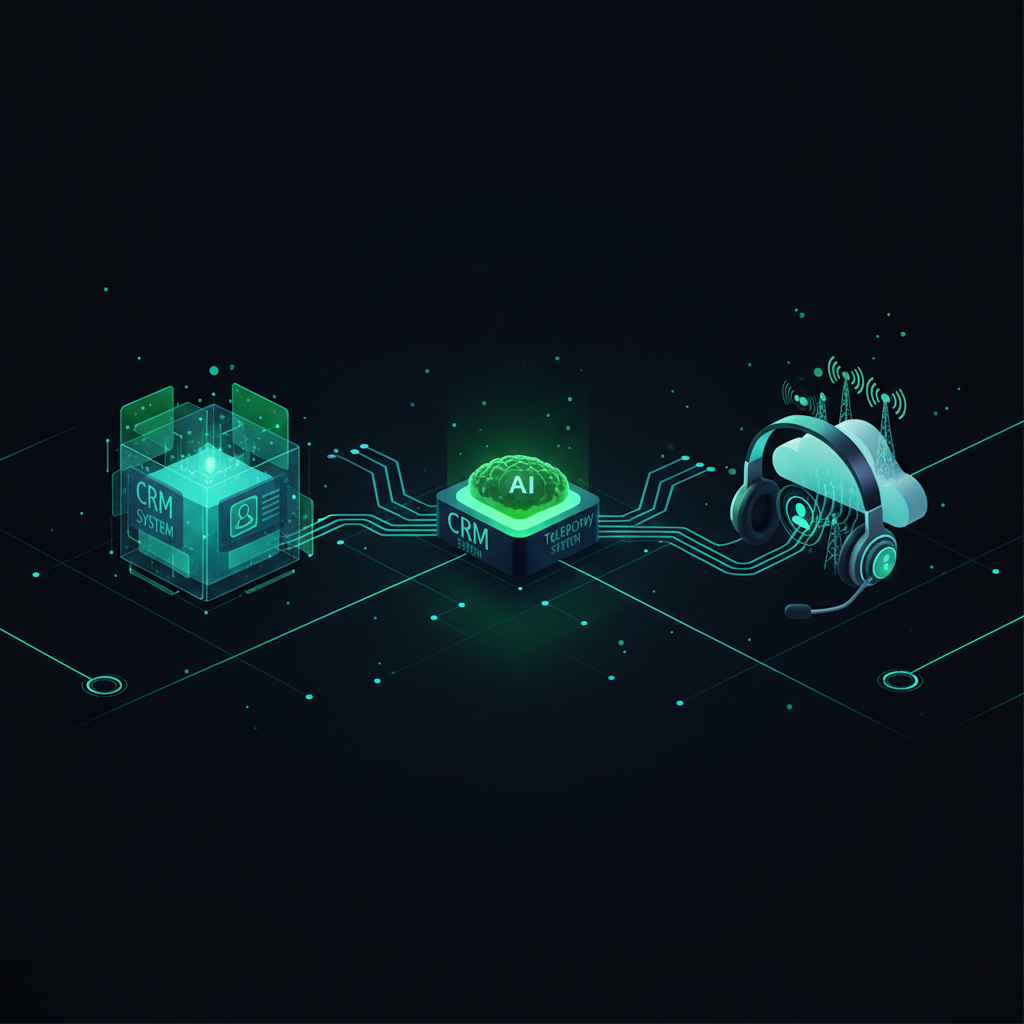
An AI voice agent is only as useful as the systems it can reach during a call. An outbound AI voice agent that cannot check your CRM for the contact's history will open every call cold. An inbound voice agent that cannot read your calendar in real time will either double-book appointments or miss them entirely. A lead qualification agent that cannot write outcomes to your CRM the moment the call ends forces your sales team to do manual data entry — defeating the purpose of automation. For UK businesses deploying AI voice agents in 2026, integration quality is not a secondary consideration: it is the primary determinant of whether the deployment delivers ROI or becomes an expensive shelf product.
This guide covers every integration layer your AI voice agent will need — CRM, calendar, telephony, compliance, and data — with specific guidance on the systems UK businesses actually use.
CRM Integration: What Your AI Voice Agent Needs to Do Its Job
CRM integration enables two critical capabilities during live calls: reading contact history before and during the call to personalise the conversation, and writing structured call outcomes the moment the call ends to keep your pipeline accurate.
Salesforce Integration
Salesforce is the most common CRM in UK B2B enterprise deployments. AI voice agents connect to Salesforce via REST API using OAuth 2.0, reading Contact and Lead objects in real time before the call is connected. During the call, the agent can query related objects — open Opportunities, past Activities, Account information — to personalise its conversation. On call completion, the agent writes a Task object with a structured call transcript, outcome code, and next-step recommendation. Salesforce Flow can then trigger downstream automation — moving a Lead stage, creating a follow-up Task, or notifying an account manager — based on the outcome code the agent sets.
HubSpot Integration
HubSpot is the dominant CRM for UK SaaS startups and growth-stage companies. AI voice agents connect via HubSpot's API using a Private App token, reading Contact and Deal records and writing Call engagements with full transcript and outcome data. HubSpot's engagement-based Workflows can then trigger personalised email sequences, update Deal stages, or route qualified contacts to your sales team — all based on what the AI voice agent recorded during the call.
Pipedrive, Zoho, and Custom CRMs
Pipedrive and Zoho both offer REST APIs with similar integration patterns. For bespoke or industry-specific CRM systems — practice management software in healthcare, case management in legal, property management platforms in real estate — we build custom API connectors that read and write the specific objects your workflow requires. In our experience, any system with a documented REST or webhook API can be integrated with an AI voice agent within two to three weeks. Our outbound AI voice agents service covers the CRM integration patterns we implement as standard.
Calendar Integration for Appointment Booking During Calls
For AI voice agents handling appointment booking — whether inbound reception agents or outbound lead qualification agents that close for a meeting — real-time calendar access is essential. Checking availability, booking the slot, and confirming it all needs to happen within the call itself. A process that requires a follow-up email or callback loses 30 to 50 percent of bookings before the slot is confirmed.
Google Calendar and Microsoft Outlook
Google Calendar integration uses the Google Calendar API with service account credentials, enabling the agent to check availability across multiple calendars simultaneously and create events with attendee invites. Microsoft Outlook integration uses the Microsoft Graph API with application permissions. Both integrations support buffer times between appointments, configurable availability windows (including out-of-hours exclusions), and multi-practitioner booking for service businesses with multiple staff calendars. Confirmation emails and SMS reminders are sent immediately on booking via integration with Twilio Messaging or your preferred email provider.
Calendly and Practice Management Systems
Calendly offers a REST API that enables AI voice agents to check availability against any Calendly event type and create scheduled meetings directly. For healthcare, dental, and professional services businesses using practice management systems (Cliniko, Jane App, Systems for Health, EMIS), we build bespoke connectors that read appointment slots and write confirmed bookings directly into the practice management system — eliminating double-entry entirely. Explore our appointment booking AI service for deployment details.
Telephony Stack Integration for UK Businesses
The telephony integration layer connects the AI voice agent to your existing phone system. This is where UK business deployments vary most — ranging from cloud-native VoIP systems to legacy PBX infrastructure — and where getting the architecture wrong creates the most operational problems.
VoIP Systems: 3CX, RingCentral, and Vonage
For businesses running 3CX, RingCentral, or Vonage, AI voice agents integrate via SIP (Session Initiation Protocol) trunking. Inbound calls are routed to the AI agent via a virtual extension or hunt group, and the agent transfers to human extensions using standard blind or attended transfer. Outbound AI voice agents dial out through the VoIP platform's SIP trunk, appearing with your business caller ID. Most modern VoIP systems expose SIP endpoints that accept standard WebRTC or SIP connections, making integration straightforward.
Cloud Platforms: Microsoft Teams Phone and AWS Connect
Microsoft Teams Phone integration uses the Teams Phone System with Direct Routing — the AI voice agent connects as a SIP endpoint via a Session Border Controller (SBC). AWS Connect integration is often the fastest path for businesses already running AWS infrastructure: AI agents connect as Lambda-backed contact flows, reading CRM data via API Gateway and writing outcomes directly to DynamoDB or your connected data store. For businesses that want to move entirely to cloud telephony as part of their AI voice agent deployment, AWS Connect is our recommended infrastructure.
Direct SIP and Legacy PBX
For businesses with legacy on-premise PBX systems (Avaya, Cisco UCM, Mitel), we deploy a cloud-hosted Session Border Controller that bridges the legacy PSTN connection to our AI agent infrastructure without requiring on-premise hardware changes. This pattern typically adds one to two weeks to the deployment timeline but allows legacy telephony to coexist with AI voice agent capabilities. See our custom voice AI development service for complex telephony integrations.
UK Compliance Integration: GDPR, PECR, and TPS
UK compliance requirements add a critical integration layer that many AI voice agent deployments underestimate. For inbound agents, UK GDPR requires caller disclosure at the start of every call — informing callers they are speaking with an AI — and appropriate consent for call recording. For outbound agents, UK PECR adds suppression list requirements and TPS screening. Every deployment we build includes three compliance integrations as standard.
First, suppression list integration: the outbound AI voice agent checks every contact number against your internal suppression list and, for marketing calls to individuals, against the Telephone Preference Service (TPS) API before initiating a call. Numbers on either list are automatically excluded and the exclusion is logged for audit purposes. Second, consent and disclosure logging: every call begins with an AI disclosure statement and, where recording consent is required, a consent capture step. Consent records are written to your CRM immediately and retained for the duration required under your data retention policy. Third, call data handling: call transcripts and recordings are stored in GDPR-compliant storage (typically AWS S3 in eu-west-2), subject to configurable retention periods, and purged automatically at the end of the retention window. Our outbound AI voice agents B2B guide covers the compliance configuration in detail.
Integration Complexity by Use Case: What to Expect
Not all voice agent deployments have the same integration complexity. Here is a realistic guide to what each use case requires.
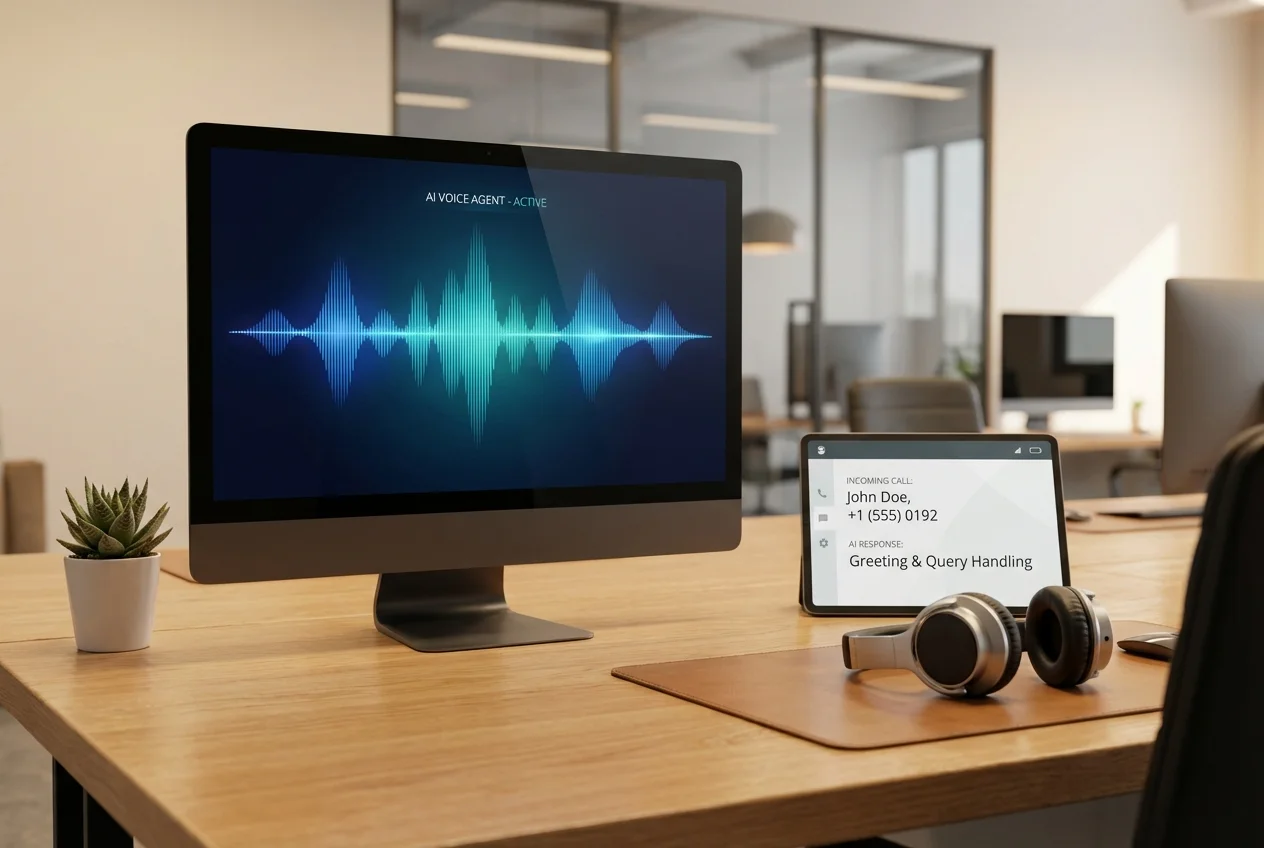
- Inbound reception agent (simple): Telephony routing, basic CRM read (name lookup on inbound number), call logging. Integration time: 1–2 weeks. Works with any VoIP or cloud telephony system.
- Appointment booking agent: Telephony routing, calendar read/write (real-time availability and booking), CRM write (confirmed appointment logged), SMS/email confirmation. Integration time: 2–3 weeks. Complexity scales with number of practitioners and booking system API quality.
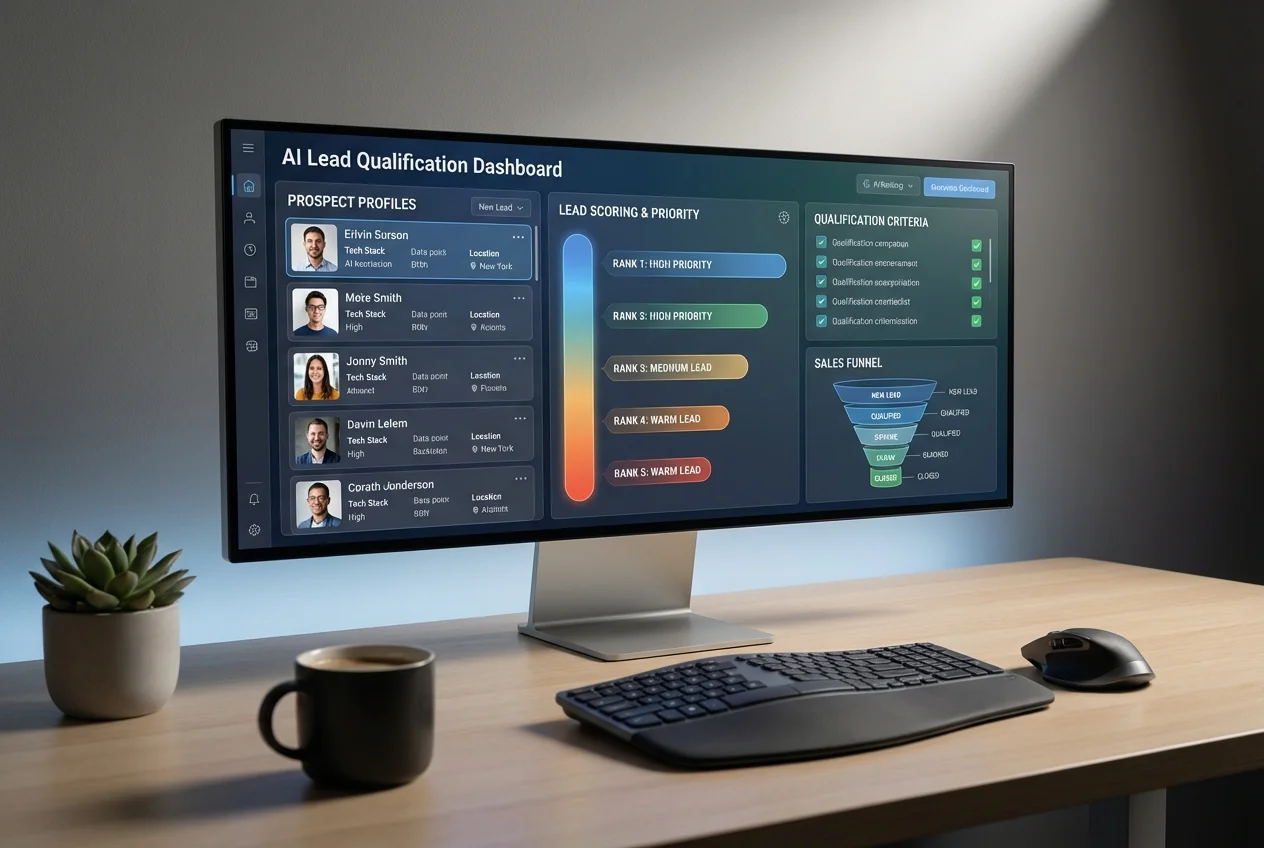
- Inbound lead qualification agent: Telephony routing, CRM read (contact lookup and deduplication), scoring logic integration, CRM write (lead score, qualification outcome, next step), sales team notification. Integration time: 2–3 weeks.
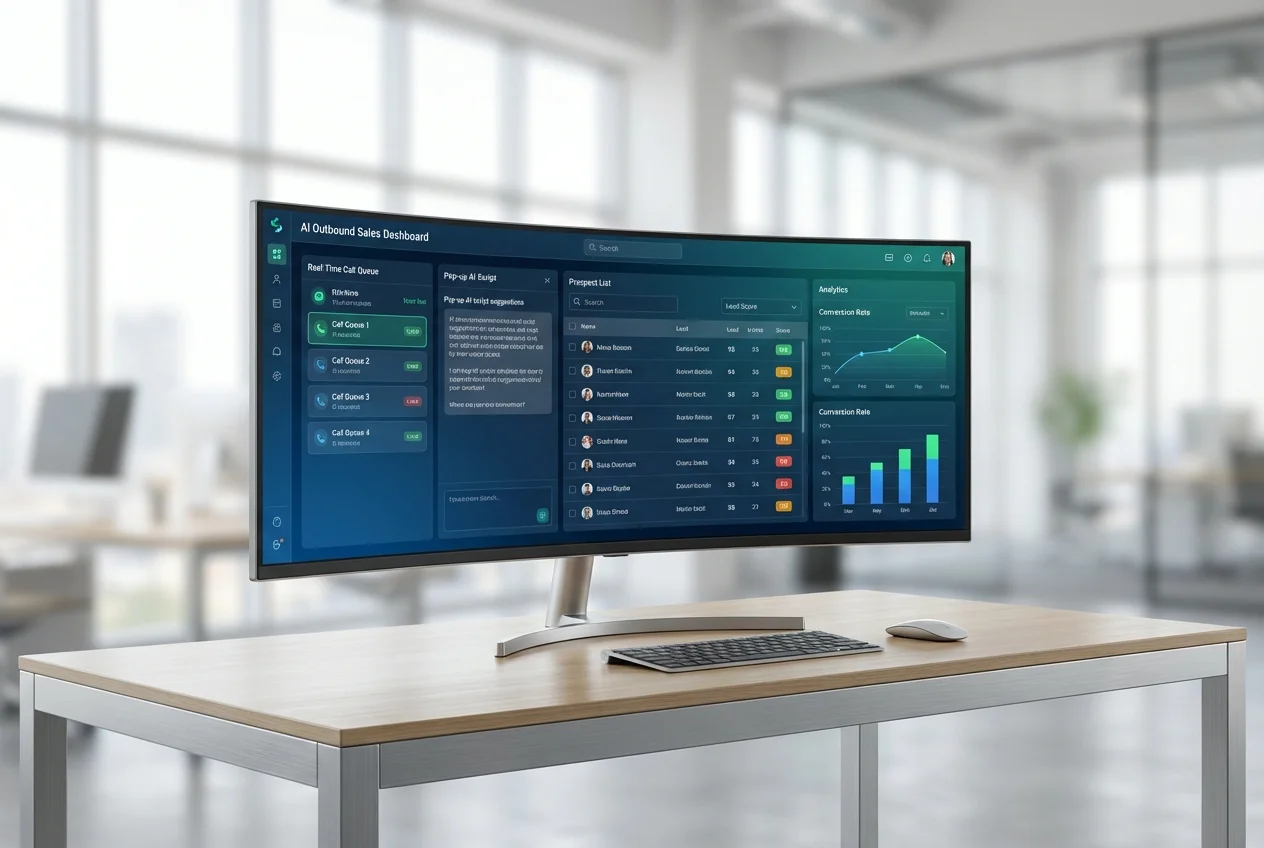
- Outbound AI voice agent: Telephony outbound dialling, CRM contact list pull with filtering, TPS/suppression list check, real-time CRM read during call, calendar integration for meeting booking, structured CRM write on completion, PECR compliance logging. Integration time: 3–5 weeks. This is the most integration-intensive use case. See our outbound AI voice agent service for the full technical scope.
- Custom enterprise integration: Any of the above plus bespoke system connectors (proprietary ERP, legacy databases, industry-specific platforms). Integration time: 4–8 weeks depending on API quality and documentation.
Getting Started: The Integration Discovery Process
Before building any AI voice agent integration, we run a structured integration discovery session covering: which CRM system you use and which objects the agent needs to read and write; which calendar system or booking platform manages your appointments; what telephony infrastructure you currently operate; and what compliance requirements apply to your specific use case and call types. This session typically takes two to three hours and produces an integration specification that drives the build. It is the single most important step in an AI voice agent deployment — integrations that are underspecified at the start are the primary cause of deployments that run over time and budget.
If you are evaluating AI voice agents for your UK business and want to understand what integrations your specific setup requires, book a free demo and integration scoping call. We will review your existing systems, identify any integration complexity, and give you a realistic timeline and cost for the full deployment. For more on the different voice agent deployment types, explore our full AI voice agent services.
 AI Voice Agents for Inbound Calls
 AI Voice Agents for Outbound Sales
 Lead Qualification Agents