Voice AI in Healthcare: How Medical Practices Are Using AI to Handle 10,000+ Calls Monthly

The Healthcare Phone Bottleneck
If you have ever tried to call your GP surgery at 8am on a Monday morning, you know the problem. Dozens — sometimes hundreds — of patients calling simultaneously, all competing for a limited number of appointment slots. Reception staff are overwhelmed. Patients wait on hold for 15, 20, sometimes 30 minutes. Many give up and call back later, compounding the problem. Others simply do not seek care at all.
This is not a staffing problem that can be solved by hiring more receptionists. The call volume is concentrated in sharp peaks — the 8am rush, Monday mornings, post-bank-holiday surges — and staffing for peak demand means paying for idle capacity during quieter periods. The economics do not work for most practices, particularly within NHS funding constraints.
AI voice agents are solving this problem at scale. Medical practices deploying voice AI are handling 10,000+ calls per month with consistent quality, zero wait times, and measurable improvements in patient access and satisfaction.
What Voice AI Handles in a Medical Practice
The majority of inbound calls to a medical practice fall into a small number of categories, most of which follow predictable patterns that AI voice agents handle effectively:
Appointment Booking and Management
This is the highest-volume call type — typically 50-65% of all inbound calls. Patients want to book, cancel, or reschedule appointments. The AI voice agent checks real-time availability across all clinicians and locations, understands appointment type requirements (routine vs urgent, GP vs nurse, in-person vs telephone), and completes the booking in natural conversation. The patient says "I need to see a doctor about a recurring headache, preferably this week" and the agent finds appropriate slots, offers options, and confirms the booking — all in under two minutes.
Prescription Refill Requests
Repeat prescription requests account for 15-25% of calls in most practices. The voice agent verifies the patient's identity using NHS number and date of birth, confirms which medications they need refilled, checks that the medications are on their repeat prescription list, and submits the request to the clinical system for GP authorisation. The entire interaction takes 60-90 seconds.
Triage and Routing
When a patient describes symptoms or a clinical concern, the voice agent uses clinically validated triage protocols to assess urgency and route appropriately. Non-urgent queries are booked for routine appointments. Urgent concerns are flagged for same-day clinical review. Emergency presentations are immediately directed to 999 or the nearest A&E with clear spoken instructions.
This triage capability is developed in collaboration with clinical teams and follows established frameworks such as NHS Pathways. The AI does not make clinical decisions — it applies the same structured triage questions that a trained receptionist would use, but does so consistently every time, without the variability that comes from human fatigue or distraction.
Test Results and Administrative Queries
Patients calling to check whether test results are ready, confirm practice opening hours, ask about registration procedures, or request sick notes — these routine queries are handled entirely by the voice agent, freeing reception staff to deal with complex queries that genuinely require human judgement.
The Numbers: What Practices Are Actually Seeing
Based on deployments across multiple UK medical practices, here are the metrics that matter:
- Call handling capacity: A single AI voice agent handles unlimited concurrent calls. During the 8am peak, every caller is answered immediately — no queuing, no busy signals, no engaged tones.
- Average call duration: Appointment bookings average 1 minute 45 seconds. Prescription requests average 1 minute 10 seconds. Compared to human handling times of 3-5 minutes for the same tasks.
- First-call resolution: 78-85% of calls are fully resolved by the AI agent without any human involvement. The remaining 15-22% are transferred to reception staff with full context — the patient does not need to repeat their information.
- Patient satisfaction: Post-call surveys show 82-88% satisfaction rates. The primary driver is speed — patients who previously waited 15+ minutes are now served in under 2 minutes.
- Abandonment rate: Call abandonment rates drop from 25-35% (typical for busy practices) to under 3%. This means more patients are actually getting through and receiving care.
- Staff impact: Reception teams report 50-65% reduction in phone-related workload, allowing them to spend more time on in-person patient interactions, clinical admin, and tasks that require human judgement.
NHS Compatibility and Integration
AI voice agents for healthcare must integrate with practice management systems — EMIS Web, SystmOne, and Vision are the three dominant platforms in UK general practice. The voice agent reads real-time appointment availability from these systems, writes bookings directly, and submits prescription requests through the standard clinical workflow.
Integration is bidirectional. When a GP adds availability or blocks a clinic session, the voice agent reflects this immediately. When the agent books an appointment, it appears in the clinician's schedule within seconds. There is no batch processing or manual reconciliation — the voice agent operates as a real-time extension of the practice management system.
For NHS practices, the agent must also handle NHS-specific requirements: understanding appointment categories (routine, urgent, home visit), managing the relationship between registered patients and temporary residents, handling appointment book rules that vary by clinician and session type, and directing patients to appropriate NHS services (111, pharmacy, A&E) when the practice cannot meet their needs.
GDPR and Data Protection Compliance
Healthcare data is special category data under GDPR, requiring the highest level of protection. Voice AI deployments in healthcare must meet specific compliance requirements:
- Data processing basis: Processing is conducted under Article 6(1)(e) (public task) for NHS practices and Article 9(2)(h) (health care purposes) for the special category health data.
- Data minimisation: The voice agent collects only the data necessary for the specific transaction — booking an appointment does not require collecting the patient's medical history.
- Storage and retention: Call recordings and transcripts are stored in UK-based, ISO 27001 certified data centres. Retention periods comply with NHS Records Management Code of Practice.
- Patient consent and transparency: Patients are informed at the start of every call that they are speaking with an AI agent and that the call may be recorded. They can request transfer to a human at any point.
- Access and deletion rights: Patients can request access to their call data or request deletion, handled through the practice's existing subject access request process.
We conduct Data Protection Impact Assessments (DPIAs) for every healthcare deployment, working with the practice's Data Protection Officer and, where required, their Caldicott Guardian.
Cost Comparison: AI vs Human Receptionists
A full-time medical receptionist in London costs approximately £28,000-£35,000 per year including employer NI and pension contributions. A busy practice typically employs 3-5 receptionists to cover operating hours, with additional cost for agency cover during absence — total annual cost of £100,000-£200,000 for reception staffing.
An AI voice agent handling the same call volume costs a fraction of this — typically £1,500-£4,000 per month depending on call volume and integration complexity. For a practice handling 10,000+ calls monthly, the annual cost saving is substantial.
But the comparison is not simply AI versus humans. The most effective deployment model is AI handling routine calls (the 78-85% that follow predictable patterns) while human receptionists focus on complex queries, in-person patient care, and clinical administration. This hybrid model delivers better patient experience at lower total cost than either all-human or all-AI approaches.
Implementation Timeline
A typical healthcare voice AI deployment follows this timeline:
- Week 1-2: Discovery — mapping call types, volumes, practice management system integration requirements, and clinical protocols
- Week 3-4: Configuration — building the voice agent's conversation flows, integrating with the practice management system, and configuring triage protocols
- Week 5-6: Testing — staff testing, simulated patient calls, edge case validation, and DPIA completion
- Week 7-8: Soft launch — the agent handles a subset of call types (starting with appointment booking only), with human oversight
- Week 9-12: Full deployment — expanding to all call types, monitoring performance, and fine-tuning based on real call data
Practices are typically fully operational with AI voice handling within 10-12 weeks of project start.
If you run a medical practice and want to see how voice AI handles appointment booking, prescription requests, and patient triage for your specific setup, book a free demo. We will show you a live agent handling call types relevant to your practice and provide a clear picture of implementation timeline, integration requirements, and expected impact on your call handling metrics.
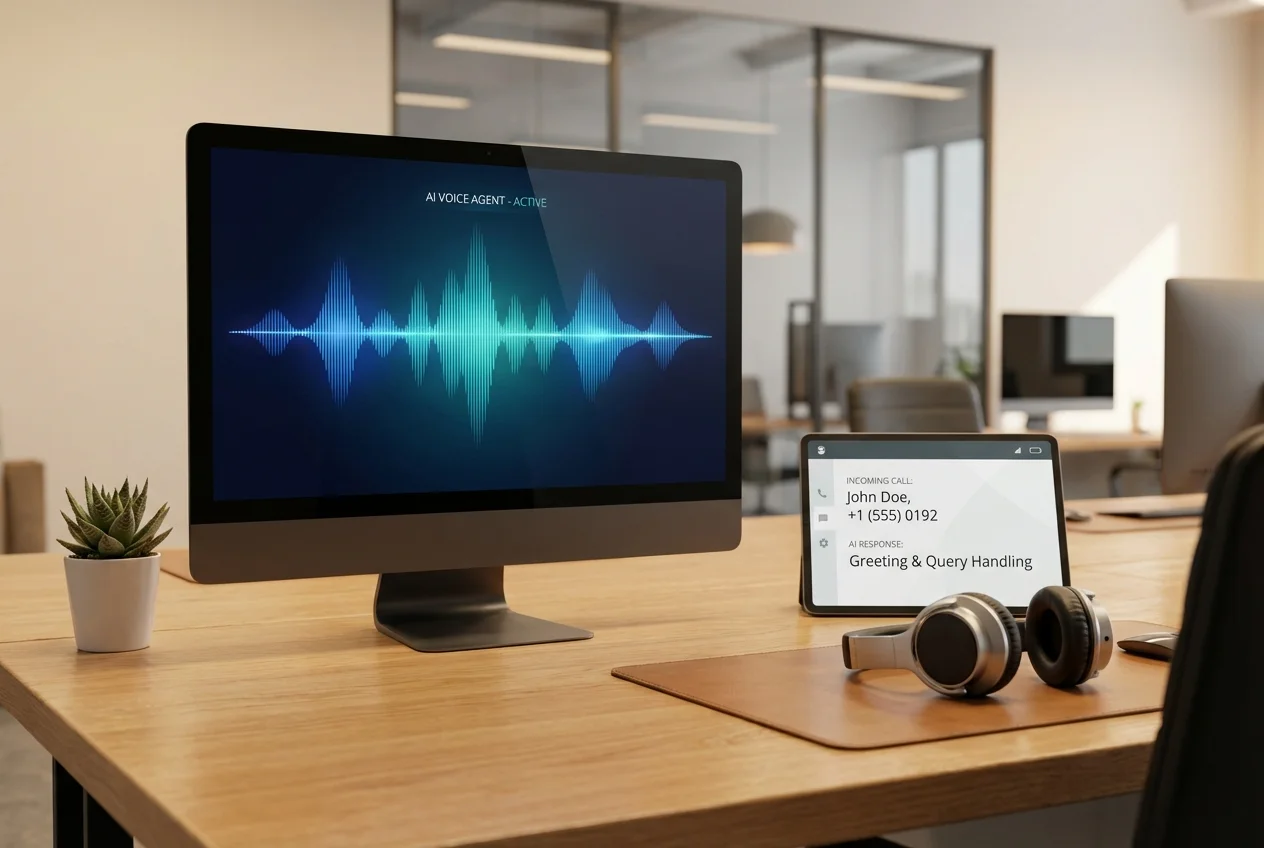 AI Voice Agents for Inbound Calls
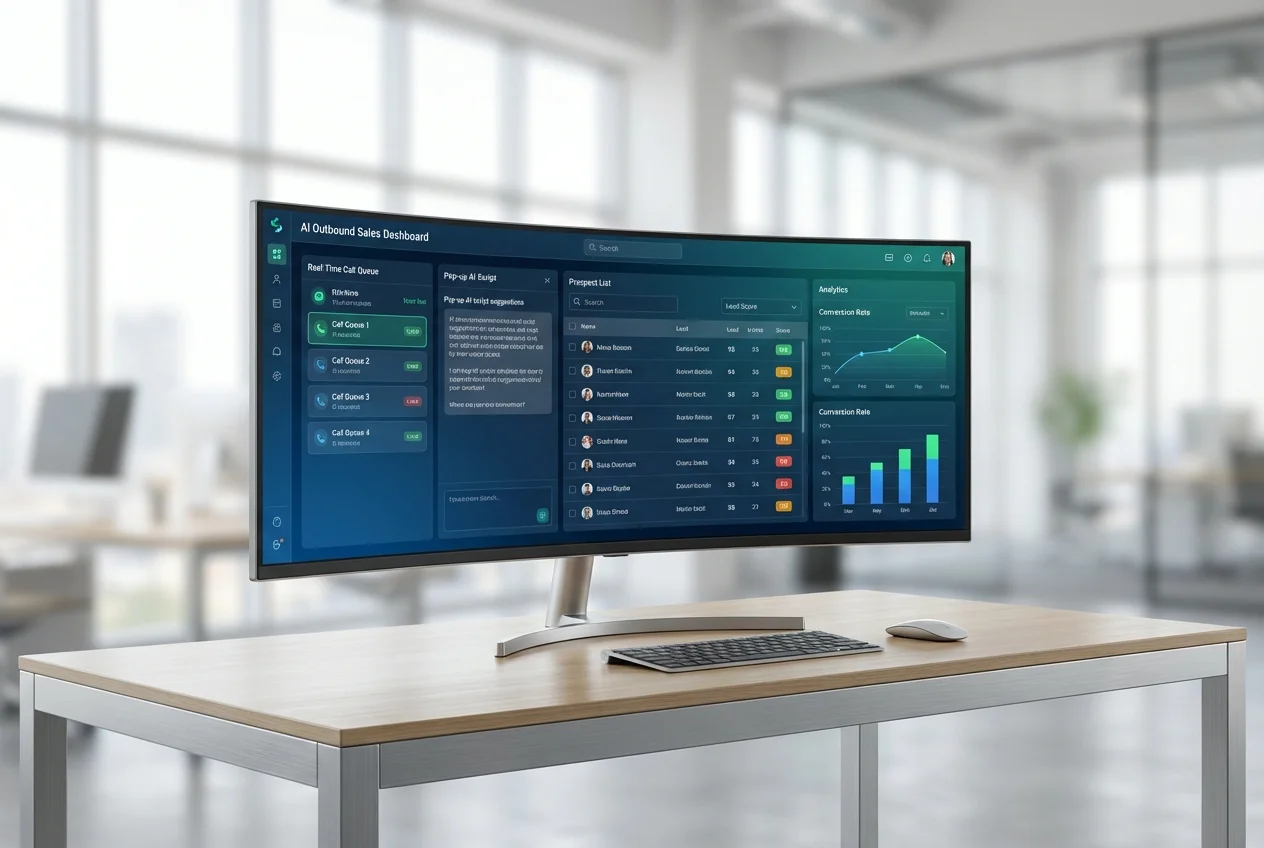 AI Voice Agents for Outbound Sales
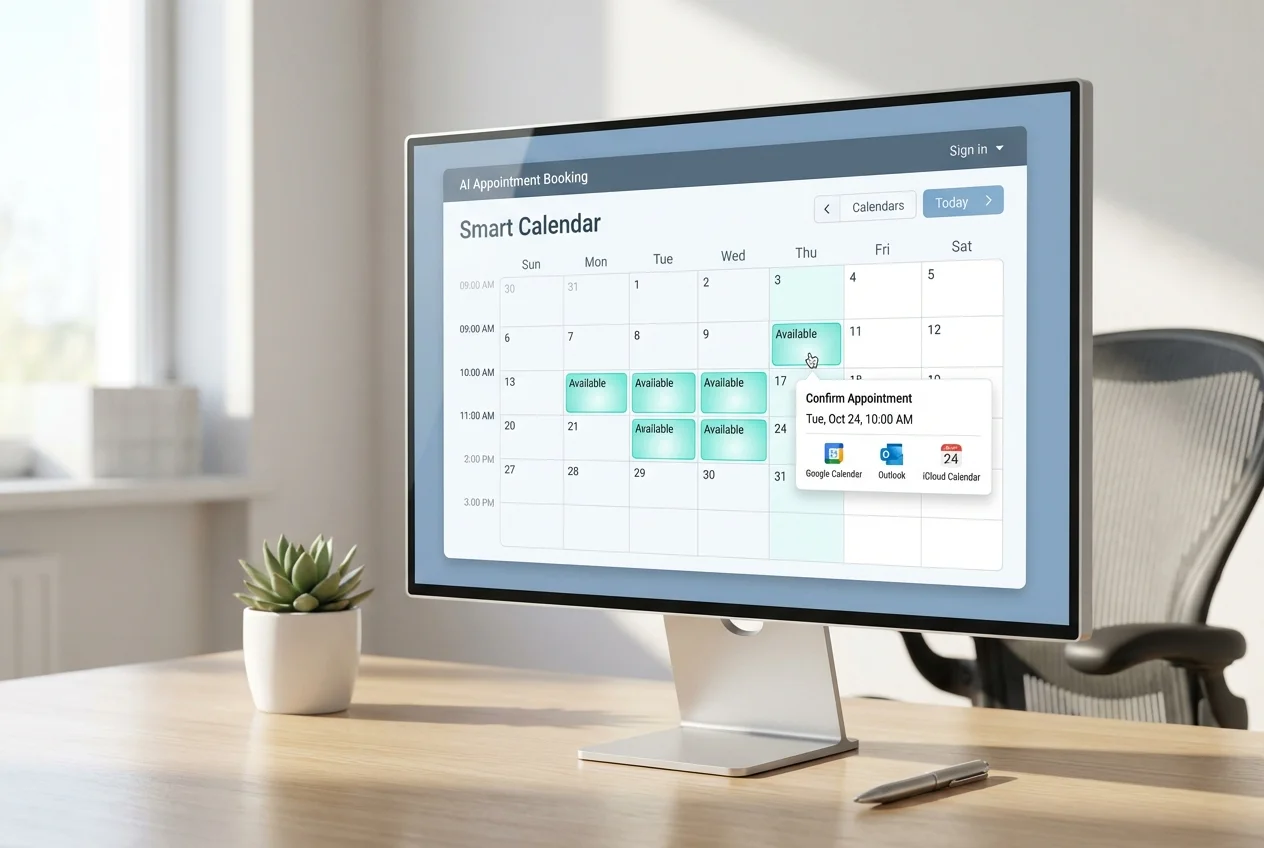 Appointment Booking Bots