Inbound Voice AI Agent vs IVR: What UK Businesses Should Choose in 2026

What is an inbound voice AI agent?
An inbound voice AI agent answers incoming phone calls and holds a natural spoken conversation. It understands what the caller wants, looks up information, completes tasks such as bookings or order checks, and hands over to a person when needed. Unlike an IVR menu, the caller simply talks. Terms like inbound AI agent, inbound voice agent and inbound voice AI describe the same category.
How IVR works and where it fails
Interactive voice response (IVR) plays recorded menus: "Press 1 for sales, press 2 for support". It is predictable but rigid. Callers abandon deep menus, mis-press options and often press zero to reach a human. IVR cannot understand free speech, so it cannot resolve anything beyond routing.
Inbound voice AI agent vs IVR
- Interaction: IVR uses keypad menus; a voice AI agent understands natural speech.
- Resolution: IVR routes calls; an AI agent can resolve many calls itself.
- Personalisation: an AI agent can look up the caller in your CRM mid-call.
- Change management: updating an IVR means re-recording menus; an AI agent is updated through its knowledge base and workflows.
- Peak demand: an AI agent handles many simultaneous calls without queues.
When IVR is still enough
If you only need to route a handful of call types to a small team with low volume, a simple IVR can be adequate and cheap. Once menus grow to three levels, callers abandon, or staff spend time on repetitive questions, an AI inbound agent usually pays back quickly.
What an inbound AI agent can handle
Call answering and routing
Greeting, identifying intent, and transferring with a summary so callers never repeat themselves. See our AI receptionist guide.
Bookings and rescheduling
Live calendar access to book, move and cancel appointments. Explore appointment booking voice agents.
Customer support
Order status, FAQs and account queries, with escalation for complex cases. See AI voice agents for customer support.
How to migrate from IVR to an inbound voice AI agent
- Analyse call recordings and group calls by intent to find the top five reasons people ring.
- Automate the highest-volume, lowest-risk intents first.
- Keep a clear route to a human at every stage.
- Integrate your CRM, helpdesk and calendar so the agent can act, not just answer. See integrations guide.
- Pilot on one number, measure resolution rate and caller satisfaction, then expand.
Our inbound AI voice agents service covers setup end to end, and the setup guide explains the technical flow.
UK compliance considerations
Tell callers they are speaking to an AI, handle call recording consent, and ensure a UK GDPR data processing agreement covers audio and transcripts. Escalate vulnerable or urgent callers to people.
FAQ
What is inbound voice AI?
Inbound voice AI is technology that answers incoming calls using natural conversation, resolving or routing them without phone menus.
Is an inbound AI agent better than IVR?
For most businesses with varied call types, yes: it resolves more calls and frustrates fewer callers. Very simple routing needs may still suit IVR.
Can an inbound voice agent replace my receptionist?
It can handle routine calls and out-of-hours demand, while people focus on complex and high-value conversations.
How long does deployment take?
A focused inbound use case can often be live within a few weeks, depending on integrations.
Want to hear it live? Book a free demo.
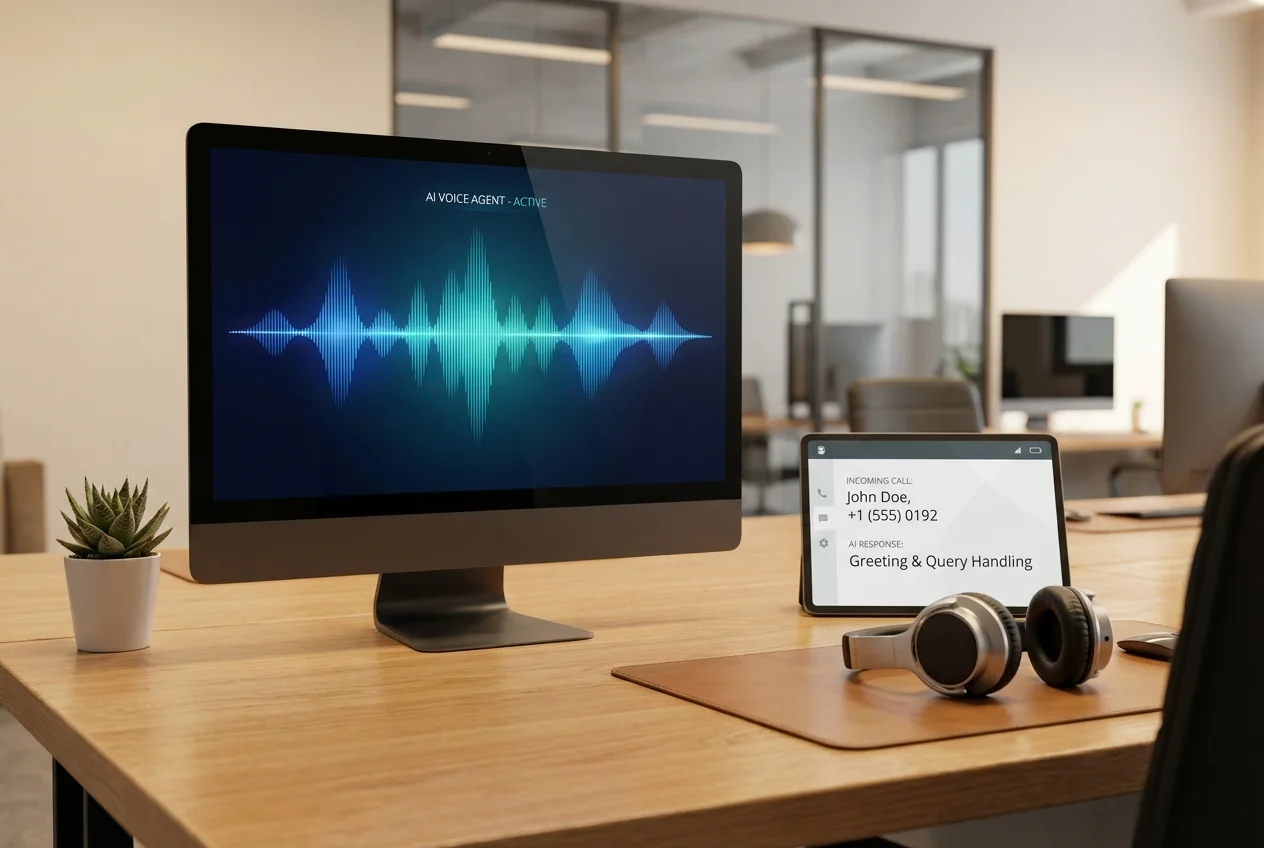 AI Voice Agents for Inbound Calls
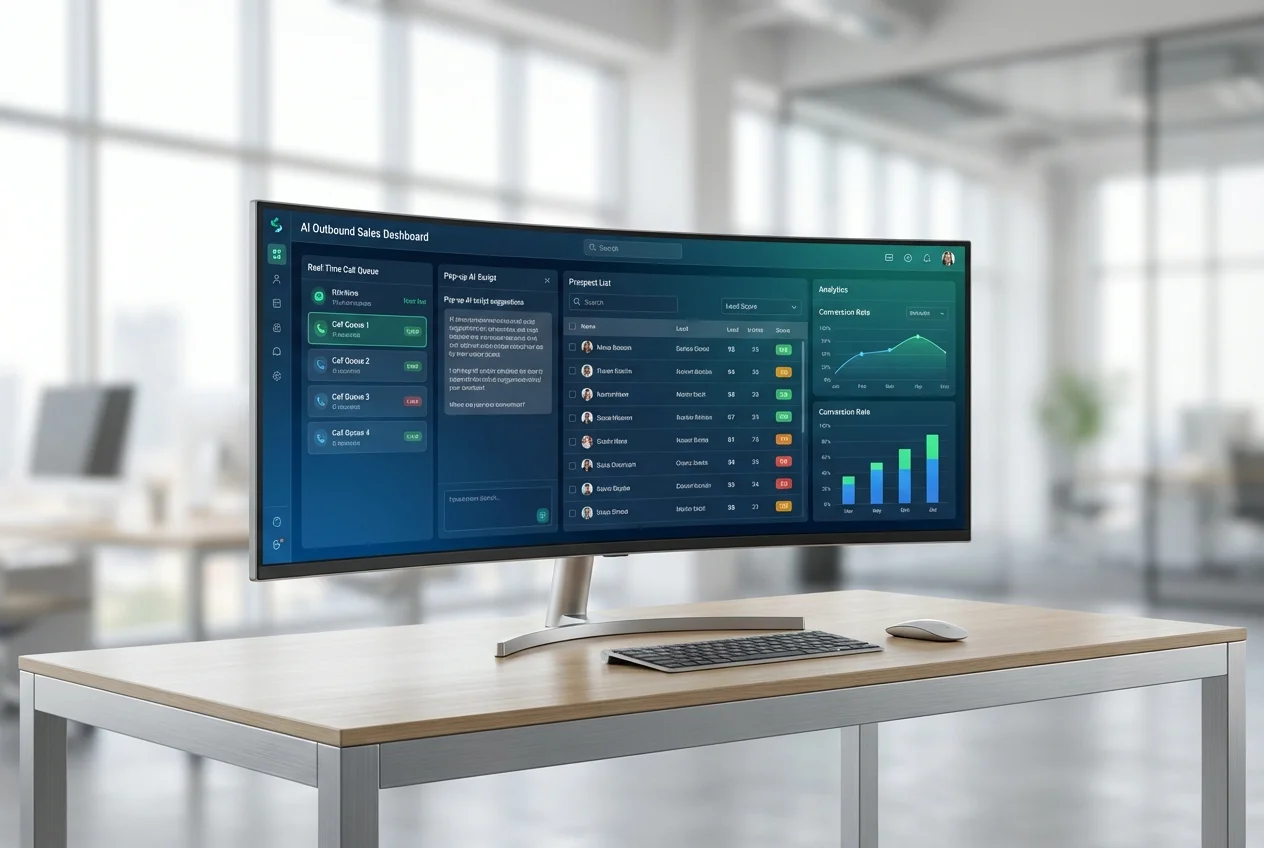 AI Voice Agents for Outbound Sales
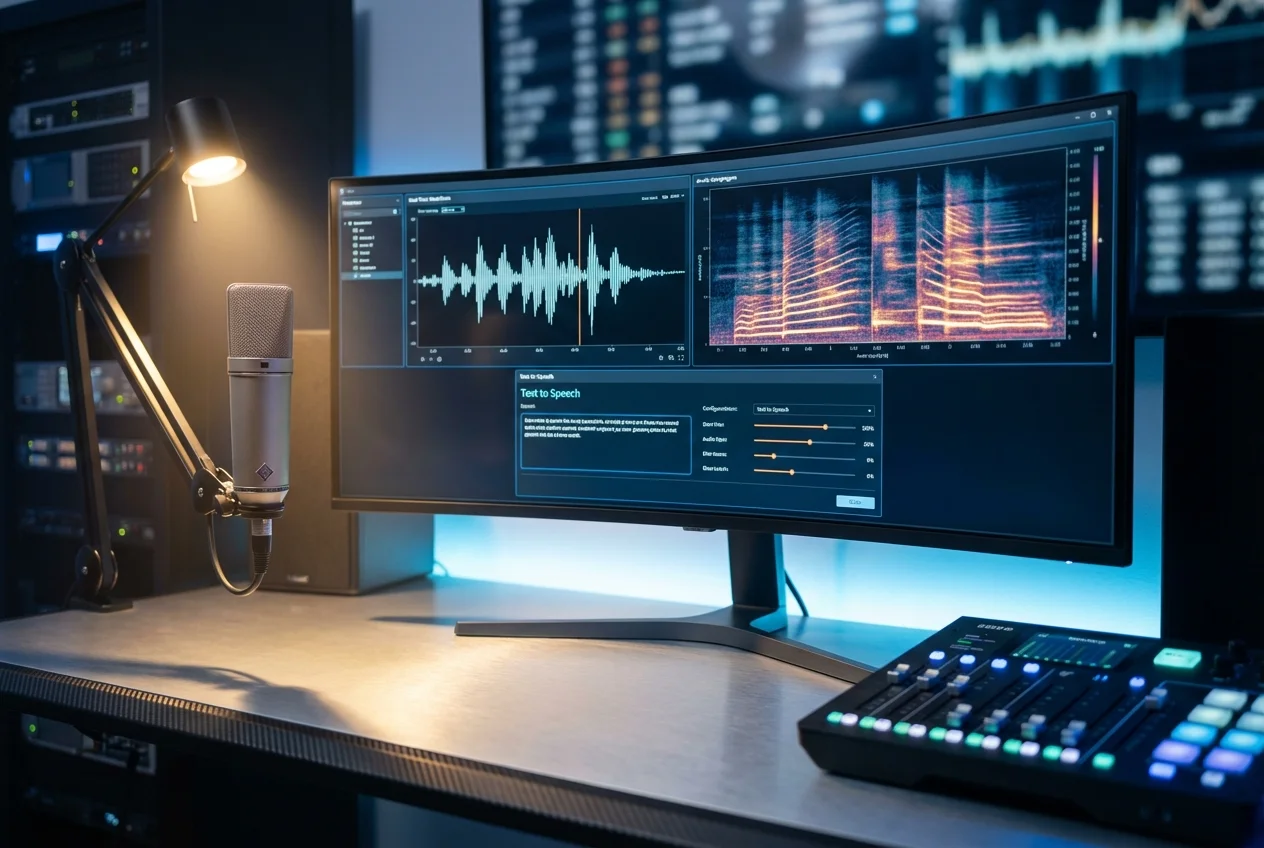 Custom Voice AI Development